
NCUC provides resources that make Internet governance accessible and understandable.
These include:
- Learning through ICANN Learn
- Fellowship opportunities
- Mentorship support
This ecosystem ensures that members at all levels can build knowledge and contribute effectively
Newcomer Starter Pack
What is ICANN?
What is NCSG?
How ICANN policy development works
What is NCUC?
What is GNSO?
How to join meetings and mailing lists
Learning Materials
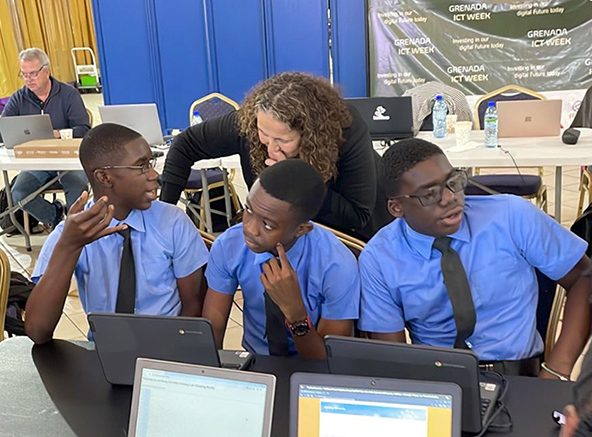
What is ICANN Learn?
ICANN Learn is ICANN’s official, free online learning platform designed to help community members, newcomers, and stakeholders understand Internet governance, domain name policy, and technical operations.
It provides self-paced, interactive modules that make ICANN’s complex multistakeholder ecosystem accessible to everyone—requiring only a free ICANN Account to sign up and start learning.
Recommended Courses for Newcomers
If you are new to ICANN and NCUC, these foundational courses provide the best starting point:
Read More
The ICANN Fellowship Programme is ICANN’s flagship capacity-building initiative designed to bring diverse voices—especially from underserved and underrepresented communities—into global Internet governance.
It provides financial support, structured learning, and direct access to ICANN Public Meetings, bridging the gap between theoretical knowledge and real-world policy development.
What the Fellowship Provides
Fully Funded Travel Support: Includes round-trip airfare, hotel accommodation, visa assistance, and a stipend to remove financial barriers to attending ICANN Public Meetings.
Read More
Mentorship Program

Experienced members play a critical role in helping newcomers overcome ICANN’s steep learning curve. Within NCUC and the broader ICANN community, experienced members guide newcomers through both structured mentorship programs and informal community support.
1. Demystifying Complex Policy Issues
Translating Jargon: ICANN policies are filled with acronyms, technical terms, and procedural rules. Veterans help newcomers decipher key topics like WHOIS/RDAP privacy, DNS abuse, or gTLD expansions.
Contextualizing History: Experienced members provide background on why certain policy discussions exist and how consensus was reached in previous years, helping newcomers avoid repeating past debates.
Read More
Key Documents
Recommended document categories for all newcomers and members.
ICANN Ecosystem
Policy Resources
Contact Info
Phone
+2 237 467 134-98
info@ncuc.isoc.gh
Address
Accra, Ghana